
Introduction Fill Selection Determines Replacement Frequency
In industrial cooling systems, long-term performance is closely tied to how often internal components require replacement.While many operators focus on initial efficiency, the real cost of operation is often determined by maintenance and replacement cycles.
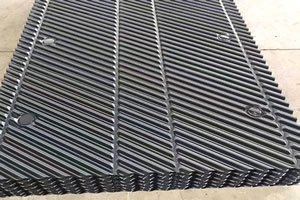
At the center of this issue is Cooling tower fill, which directly affects durability, fouling rate, and system stability over time.
Choosing the right fill structure and material can significantly extend service life.Improper selection, on the other hand, leads to frequent replacement, higher downtime, and increased operating costs.
Why Cooling Tower Fill Replacement Is Necessary
Cooling tower fill operates in a demanding environment where water, air, temperature, and contaminants interact continuously.
Over time, these conditions lead to scaling, fouling, biological growth, and material degradation.
Even under controlled conditions, cooling tower fill media gradually loses efficiency as surface area becomes blocked or airflow channels are restricted.
Understanding these factors helps in planning a more effective replacement strategy.
Main Factors Affecting Fill Replacement Cycle
Water Quality Impact
Water quality is the most critical factor influencing cooling tower fill lifespan.
High levels of suspended solids, minerals, or organic matter accelerate fouling.
In such environments, cooling tower fill for dirty water with open structures performs better over time.
Temperature Conditions
Operating temperature affects both material stability and scaling rate.
High temperatures increase the risk of deformation, especially for standard PVC structures.
Using high temperature cooling tower fill made from PP material helps maintain structural integrity.
Airflow and Load Conditions
System load and airflow influence how quickly contaminants accumulate.
High load conditions increase water evaporation and concentration of impurities, which accelerates fouling inside the fill.
Different Fill Types and Their Replacement Characteristics
Film Fill Shorter Replacement Cycle in Harsh Conditions
Film structures provide high efficiency but are more sensitive to clogging.
In clean systems, film fill cooling tower can operate efficiently for extended periods.
However, in industrial environments, replacement may be required more frequently due to scaling.
Splash Fill Longer Lifespan in Contaminated Systems
Splash structures are less prone to blockage due to their open design.
A splash fill cooling tower typically has a longer replacement cycle in dirty water applications.
Although efficiency is slightly lower, maintenance frequency is reduced.
Corrugated Fill Balanced Performance and Durability
Corrugated structures offer a compromise between efficiency and resistance to fouling.
Many industrial systems prefer corrugated fill because it provides stable performance with moderate replacement intervals.
Material Selection and Service Life
PVC Cooling Tower Fill Standard Service Life
PVC cooling tower fill is widely used due to cost efficiency.
Under normal conditions, it provides acceptable service life, but is sensitive to high temperatures and chemical exposure.
PP Cooling Tower Fill Extended Durability
PP cooling tower fill offers better resistance to heat and chemicals.
It maintains structure over longer periods, making it suitable for demanding industrial environments.
Signs That Cooling Tower Fill Needs Replacement
Reduced Cooling Efficiency
When cooling tower fill becomes clogged or degraded, heat exchange efficiency drops.
This often results in higher outlet water temperatures.
Increased Fan Energy Consumption
Blockage inside the fill increases airflow resistance.
Fans must work harder, leading to higher energy usage.
Visible Damage or Deformation
Physical deformation changes airflow and water distribution patterns.
This is a clear sign that replacement is necessary.
How to Extend Cooling Tower Fill Service Life
Proper management can delay the need for replacement and improve overall system efficiency.
- Use appropriate water treatment methods
- Select fill type based on water quality
- Choose suitable material for operating temperature
- Ensure proper installation and alignment
- Perform regular inspection and cleaning
Selecting the correct industrial cooling tower fill is the most effective way to extend service life.
Replacement Strategy for Industrial Systems
A planned replacement strategy helps reduce downtime and maintain stable operation.
Many systems adopt modular cooling tower fill replacement methods, allowing partial replacement instead of full system shutdown.
This approach improves efficiency while controlling maintenance costs.
Real Case Examples of Fill Replacement Optimization
Southeast Asia Manufacturing Plant
A facility experienced frequent replacement due to heavy scaling.
After switching to a more open fill structure, the replacement cycle was significantly extended.
Middle East High Temperature System
A system using PVC fill showed deformation under high temperature conditions.
After upgrading to PP material, the replacement interval improved noticeably.
Industrial Wastewater Cooling Application
A plant handling contaminated water suffered from rapid clogging.
By selecting splash-type fill, maintenance frequency decreased and system stability improved.
Comparison Table Replacement Characteristics of Fill Types
| Fill Type | Replacement Frequency | Durability | Recommended Use |
|---|---|---|---|
| Film Fill | Higher | Moderate | Clean water systems |
| Splash Fill | Lower | High | Dirty water systems |
| Corrugated Fill | Moderate | Balanced | General industrial use |
Conclusion Proper Fill Selection Reduces Replacement Cost
The replacement cycle of Cooling tower fill is directly influenced by structure, material, and operating conditions.
Selecting the right combination improves durability, reduces maintenance frequency, and ensures stable system performance.
For industrial users, focusing on long-term performance rather than initial efficiency leads to better overall results.
FAQ Cooling Tower Fill Replacement Questions
How often should cooling tower fill be replaced
Replacement depends on water quality, material, and operating conditions, typically ranging from a few years to longer periods.
Which fill type lasts longer in dirty water
Splash fill generally provides a longer service life in contaminated environments.
Does material affect replacement cycle
Yes. PP material usually lasts longer than PVC in high temperature or chemical conditions.
Can partial replacement be done
Yes. Modular designs allow selective replacement without shutting down the entire system.
What is the main cause of frequent replacement
Poor water quality and incorrect fill selection are the most common reasons.
About the Author
Senior Cooling Tower Engineer with extensive experience in industrial cooling systems, focusing on fill optimization, maintenance strategy, and long-term performance improvement.
2026-3-12
2026-1-30
Cooling Tower Fill Maintenance...
2025-12-22
Comparison Guide: Counterflow ...
2025-12-10