
Analyzing the Considerations for Installing Cooling Tower Fillers.
In a cooling tower system, the installation quality of the cooling tower filler directly affects the cooling efficiency and lifespan of the equipment. Even with the selection of high-efficiency cooling tower fillers, improper installation can lead to decreased cooling performance and increased maintenance costs. This article will outline key considerations for installing cooling tower fillers from multiple perspectives and provide practical advice on cooling tower filler types.
Understanding Cooling Tower Filler Types as a Pre-Installation Basis
Before installation, it is essential to determine the type of cooling tower filler to be used, as different types of fillers have different structures, materials, and installation methods.
1. Thin-Film Filled Cooling Tower
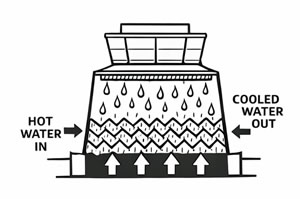
1) Achieves heat exchange through the formation of a water film on the surface.
2) Relatively high water quality requirements.
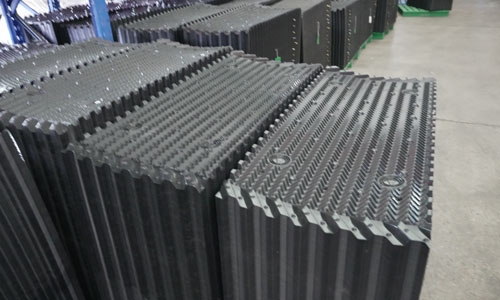
3) During installation, it is crucial to ensure that the plates are evenly oriented and neatly arranged.
2. Splash Cooling Tower Filler
1) Increases heat transfer area through water splashing.
2) Strong anti-clogging capability.
3) Flexible installation, suitable for environments with poor water quality or high suspension content.
Understanding the characteristics of different types of cooling tower fillers helps in developing a scientific installation plan.
Preparation before installation
1. Check the quality of the packing material.
1) Confirm that the cooling tower packing is free from damage, deformation, or dimensional deviations.
2) Ensure it conforms to design specifications to avoid affecting cooling after installation.
2. Clean the inside of the cooling tower.
1) Remove old packaging, dirt, and residual dirt.
2) Ensure the installation surface is flat and clean, meeting the conditions for stable installation of the cooling tower.
Key installation points for cooling tower packing
1. Correctly check the orientation of the packing.
Most cooling tower packings have specific requirements for water flow direction. Installation must follow the design direction; otherwise, cooling efficiency will be reduced.
2. Control the hardness of the packing.
1) Overly tight packing: Increases air resistance, affecting cooling tower packing efficiency.
2) Overly loose packing: Prone to movement or collapse.
3) Appropriate tightness ensures long-term stable operation.
3. Support and fixation
1) Use a support frame or pallet to ensure packaging stability.
2) Prevent the packing from shifting due to water flow or vibration.
Installation Precautions for Different Types of Cooling Towers:
1. Crossflow Cooling Tower Installation
Ensure even water level distribution and avoid dry areas.
Maintain an appropriate distance between the water inlet and the water tank.
The support structure should be sturdy and durable. It prevents sinking or tilting.
2. Installing Return Flow Cooling Tower Packing
The packing height should meet design requirements.
Airflow openings should be unobstructed to ensure stable airflow.
Reinforce support to prevent long-term degradation.
Post-Installation Inspection and Correction
1. Comprehensive Inspection
Confirm that the cooling tower packing is not misaligned, tilted, or loose.
Check for blockages in the ducts or obstructions in water flow distribution.
2. Testing and Adjustment
Observe the moisture distribution in the packing material and the uniformity of airflow.
If any faults are found, adjust the position or supports promptly.
Importance of Maintenance and Care
Installation is only the first step; subsequent maintenance is equally important:
1. Clean the cooling tower packing regularly to prevent scale or microbial buildup.
2. Regularly check the support and securing of the packing.
3. Replace old packing materials promptly based on water quality and operating conditions.
Scientific installation combined with standardized maintenance helps the cooling tower packing maintain optimal performance over the long term.
In a cooling tower system, the installation quality of the cooling tower filler directly affects the cooling efficiency and lifespan of the equipment. Even with the selection of high-efficiency cooling tower fillers, improper installation can lead to decreased cooling performance and increased maintenance costs. This article will outline key considerations for installing cooling tower fillers from multiple perspectives and provide practical advice on cooling tower filler types.
Understanding Cooling Tower Filler Types as a Pre-Installation Basis
Before installation, it is essential to determine the type of cooling tower filler to be used, as different types of fillers have different structures, materials, and installation methods.
1. Thin-Film Filled Cooling Tower
1) Achieves heat exchange through the formation of a water film on the surface.
2) Relatively high water quality requirements.
3) During installation, it is crucial to ensure that the plates are evenly oriented and neatly arranged.
2. Splash Cooling Tower Filler
1) Increases heat transfer area through water splashing.
2) Strong anti-clogging capability.
3) Flexible installation, suitable for environments with poor water quality or high suspension content.
Understanding the characteristics of different types of cooling tower fillers helps in developing a scientific installation plan.
Preparation before installation
1. Check the quality of the packing material.
1) Confirm that the cooling tower packing is free from damage, deformation, or dimensional deviations.
2) Ensure it conforms to design specifications to avoid affecting cooling after installation.
2. Clean the inside of the cooling tower.
1) Remove old packaging, dirt, and residual dirt.
2) Ensure the installation surface is flat and clean, meeting the conditions for stable installation of the cooling tower.
Key installation points for cooling tower packing
1. Correctly check the orientation of the packing.
Most cooling tower packings have specific requirements for water flow direction. Installation must follow the design direction; otherwise, cooling efficiency will be reduced.
2. Control the hardness of the packing.
1) Overly tight packing: Increases air resistance, affecting cooling tower packing efficiency.
2) Overly loose packing: Prone to movement or collapse.
3) Appropriate tightness ensures long-term stable operation.
3. Support and fixation
1) Use a support frame or pallet to ensure packaging stability.
2) Prevent the packing from shifting due to water flow or vibration.
Installation Precautions for Different Types of Cooling Towers:
1. Crossflow Cooling Tower Installation
Ensure even water level distribution and avoid dry areas.
Maintain an appropriate distance between the water inlet and the water tank.
The support structure should be sturdy and durable. It prevents sinking or tilting.
2. Installing Return Flow Cooling Tower Packing
The packing height should meet design requirements.
Airflow openings should be unobstructed to ensure stable airflow.
Reinforce support to prevent long-term degradation.
Post-Installation Inspection and Correction
1. Comprehensive Inspection
Confirm that the cooling tower packing is not misaligned, tilted, or loose.
Check for blockages in the ducts or obstructions in water flow distribution.
2. Testing and Adjustment
Observe the moisture distribution in the packing material and the uniformity of airflow.
If any faults are found, adjust the position or supports promptly.
Importance of Maintenance and Care
Installation is only the first step; subsequent maintenance is equally important:
1. Clean the cooling tower packing regularly to prevent scale or microbial buildup.
2. Regularly check the support and securing of the packing.
3. Replace old packing materials promptly based on water quality and operating conditions.
Scientific installation combined with standardized maintenance helps the cooling tower packing maintain optimal performance over the long term.
2026-3-6
2025-12-13