
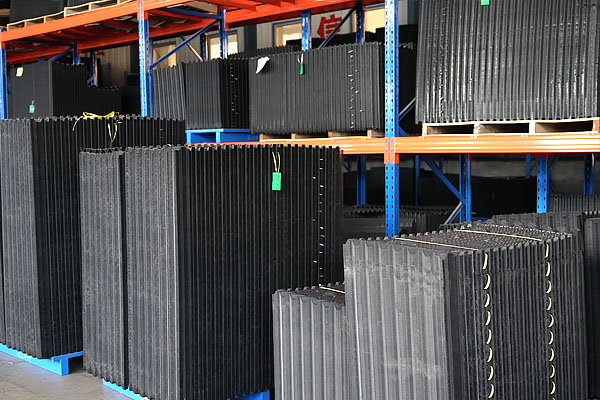
Birkirkara Counterflow Cooling Tower Fill
Make A Call +8613403188968
Email Address chenhan199966@gmail.com
Counterflow Cooling Tower Fill - The Best Solution for Efficient Cooling Tower Performance
When it comes to optimizing cooling tower efficiency, the Counterflow Cooling Tower Fill plays a pivotal role in maximizing heat transfer and improving overall system performance. In this comprehensive guide, we will explore everything you need to know about Counterflow Cooling Tower Fill, including its design, materials, types, maintenance, and how it enhances the heat exchange process. Whether you’re designing a new cooling tower or upgrading an existing one, selecting the right fill is crucial to ensuring your system operates at peak efficiency.
What is Counterflow Cooling Tower Fill?
Counterflow Cooling Tower Fill is a type of media used inside a cooling tower to facilitate the heat exchange process. The “counterflow” design refers to the direction of airflow and water flow: in a counterflow cooling tower, water flows down through the fill media while air flows upwards, against the direction of water flow. This countercurrent flow design maximizes the contact time between water and air, enhancing the heat transfer efficiency and improving the cooling performance of the system.
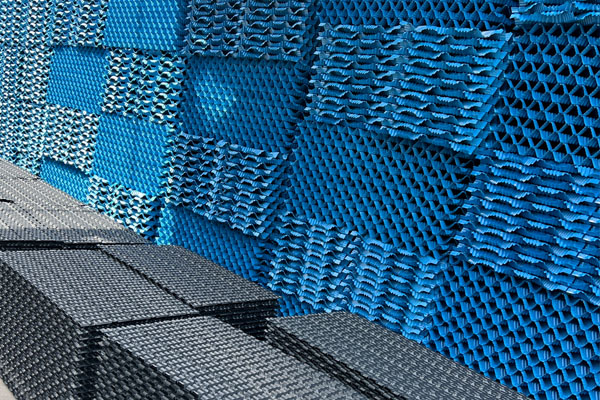
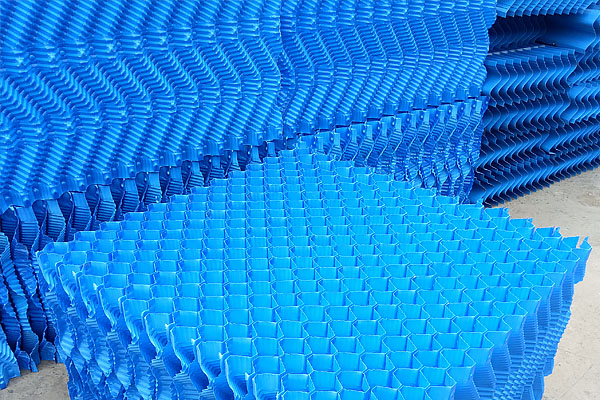
The fill media, typically made from materials like PVC (Polyvinyl Chloride), PP (Polypropylene), or FRP (Fiberglass Reinforced Plastic), increases the surface area for water to interact with air. The more surface area available, the better the heat exchange efficiency, making counterflow cooling towers highly effective in removing heat from water.
Why is Counterflow Cooling Tower Fill Important?
Choosing the right Counterflow Cooling Tower Fill is essential for achieving high thermal performance and energy efficiency in cooling tower systems. Here are some of the main benefits:
- Maximized Heat Transfer: The counterflow design allows water and air to move in opposite directions, maximizing the heat exchange process. This leads to higher efficiency and more effective cooling.
- Efficient Water Distribution: Counterflow fills help evenly distribute water across the fill surface, preventing hot spots and ensuring consistent cooling performance.
- Compact Design: Counterflow cooling towers can achieve high efficiency in a relatively compact space, making them ideal for applications with space constraints.
- Energy Savings: With improved heat transfer and water distribution, counterflow cooling towers reduce energy consumption, lowering operational costs over time.
- Durability and Longevity: The materials used in counterflow fills, such as PVC and PP, are highly durable and resistant to UV degradation, corrosion, and chemical exposure, ensuring long-lasting performance in harsh environmental conditions.
If you are interested in learning more about our Counterflow Cooling Tower Fill solutions, check out our Counterflow Film Fill products.
Types of Counterflow Cooling Tower Fill
Film Fill Media
Film Fill Media is the most commonly used type of Counterflow Cooling Tower Fill. It consists of thin sheets of material that create a thin film of water as it flows over them. The thin water film increases the surface area, promoting efficient heat transfer as the water evaporates. Film fills are typically made from durable materials such as PVC (Polyvinyl Chloride), which provides excellent resistance to UV degradation and corrosion.
Advantages of Film Fill Media include:
- High thermal performance due to increased surface area
- Compact design, making it suitable for space-limited installations
- Low maintenance requirements
- Durability and resistance to chemical degradation
Film fill media is ideal for both crossflow and counterflow cooling towers. If you're looking for a high-performance option, consider our PVC Cooling Tower Fill for your counterflow cooling tower.
Splash Fill Media
Splash Fill Media is designed with a grid-like structure that causes water to splash as it flows through, increasing the surface area for heat transfer. This splash action enhances the evaporation process, making it highly effective in cooling towers that handle large water volumes or operate in harsh environmental conditions. While splash fills are more common in splash-type towers, they can also be used in counterflow cooling towers for applications that require high evaporation rates.
Advantages of Splash Fill Media include:
- Higher evaporation rates for enhanced cooling
- Increased durability in harsh chemical and industrial environments
- Ideal for large-scale cooling tower applications
If you need Splash Fill for your counterflow cooling tower, explore our Splash Grid Fill options.
Counterflow Film Fill vs Splash Fill
When choosing between Counterflow Film Fill and Splash Fill for your cooling tower, it's important to consider the specific needs of your system:
- Counterflow Film Fill is ideal for applications where high efficiency, compact design, and effective heat transfer are critical. It is better suited for environments with consistent water quality.
- Splash Fill is more suitable for cooling towers dealing with large volumes of water or in industrial applications where high evaporation rates are necessary. It also performs well in harsher environments where water quality may fluctuate.
Materials Used in Counterflow Cooling Tower Fill
PVC (Polyvinyl Chloride)
PVC is the most common material used in Counterflow Cooling Tower Fill. PVC is highly resistant to corrosion, UV degradation, and chemicals, making it ideal for cooling towers in industrial and commercial applications. It is durable, lightweight, and cost-effective, offering an excellent balance of performance and affordability.
PP (Polypropylene)
Polypropylene (PP) is another popular material for counterflow fills, especially in cooling towers that are exposed to higher temperatures or aggressive chemicals. PP has a high melting point and excellent chemical resistance, making it suitable for demanding industrial applications like power plants and chemical processing facilities.
FRP (Fiberglass Reinforced Plastic)
FRP is a lightweight yet strong material made from fiberglass and resin. It offers excellent resistance to corrosion, UV degradation, and chemical exposure, making it ideal for cooling towers operating in harsh or highly corrosive environments. FRP is often used for high-performance counterflow fills in industrial applications where durability and longevity are essential.
Performance & Efficiency of Counterflow Cooling Tower Fill
The performance of your cooling tower is heavily influenced by the type of fill used. With Counterflow Cooling Tower Fill, the countercurrent flow design enhances heat transfer efficiency. Here’s why:
- Heat Transfer Efficiency: By ensuring that water and air move in opposite directions, counterflow cooling towers increase the contact time between water and air, leading to more efficient heat transfer.
- Water Distribution: The fill media is designed to ensure even water distribution across the surface, preventing hot spots and ensuring consistent cooling performance throughout the system.
- Airflow Optimization: The vertical airflow in counterflow cooling towers maximizes heat transfer by allowing air to pass through the fill material efficiently, reducing energy consumption and improving overall system performance.
Routine Maintenance of Counterflow Cooling Tower Fill
- Regular Cleaning: Clean the fill media regularly to remove debris, algae, and mineral deposits that can block water flow and reduce cooling efficiency.
- Inspection for Wear: Inspect the media for signs of wear, such as cracks or corrosion. Damaged media should be replaced promptly to prevent performance issues.
- Water Distribution Check: Ensure that water is being evenly distributed across the fill surface. Uneven water distribution can lead to inefficient cooling.
- Check for Scaling: Regularly check for scaling on the media surface. Scaling can reduce the surface area available for heat exchange and impair the overall cooling performance.
Why Choose Our Counterflow Cooling Tower Fill?
At [Your Company Name], we offer high-quality Counterflow Cooling Tower Fill made from durable materials like PVC, PP, and FRP. Our products are designed for maximum heat transfer efficiency, long-lasting performance, and minimal maintenance. Whether you need film fill, splash fill, or customized solutions, we have the right fill for your cooling tower.
Need Assistance? Get in Touch with Us!
If you’re unsure which Counterflow Cooling Tower Fill is right for your cooling system, or if you need a custom solution, our expert team is here to help. Contact us for expert advice and personalized recommendations.
Conclusion
Choosing the right Counterflow Cooling Tower Fill is crucial for ensuring optimal cooling tower performance. By selecting the appropriate fill type and maintaining it properly, you can maximize heat transfer efficiency, reduce energy consumption, and extend the lifespan of your cooling tower system. Explore our range of high-quality counterflow fills today and improve the efficiency of your cooling tower!
Feel Free to Contact Us, Get In Touch
We're here to assist you in any way we can. Whether you have questions, feedback, or just want to say hello
Location Shenzhou City, Hebei, China.
Email Address chenhan199966@gmail.com
Make A Call +8613403188968
Common problems with cooling tower fill
Based on inquiries from most of our clients, we have compiled some important points to note when purchasing cooling tower packing materials. We hope this information will be helpful to you.
Contact UsOur cooling tower fill is primarily made from high-performance PVC or PP (Polypropylene). These materials offer excellent heat transfer, corrosion resistance, and long service life for your cooling tower fill system.
Yes, our cooling tower fill packs are custom-cut and shaped to fit. Simply provide your tower’s model or dimensions, and we will manufacture the cooling tower fill to match perfectly.
The design of our cooling tower fill features an optimized surface pattern that maximizes water-air contact. This improves heat dissipation, making the cooling tower fill highly efficient for energy savings.
Under normal conditions, our cooling tower fill typically lasts 5–10 years. The actual lifespan of the cooling tower fill depends on local water quality and maintenance.
We provide free samples of our cooling tower fill for evaluation. Production orders for cooling tower fill generally ship within 15–30 days after confirmation.
Our cooling tower fill has an open grid design that resists clogging. If cleaning is needed, the cooling tower fill can be rinsed easily with low-pressure water or a mild solution.

Michael Johnson
These cooling tower fill packs have significantly improved our system's efficiency. The heat transfer performance is outstanding, and we've noticed a 20** reduction in energy consumption since installation. Highly recommended for industrial applications!
Sofia Rodriguez
Exceptional quality and durability! Our cooling tower has been running smoothly with these fill packs for over a year now. The material is resistant to scaling and corrosion, which has reduced our maintenance costs considerably.
John Smith
The installation process was straightforward, and the results speak for themselves. Our cooling tower now operates at optimal performance levels, with better water distribution and improved cooling capacity. Great product!
Valentina
We have tried several brands of cooling tower fillers, but these are by far the best. Their design maximizes the contact between air and water, thus achieving excellent cooling efficiency. Great value for money!