

Cooling Tower Media - The Ultimate Guide to Selecting the Right Cooling Tower Fill for Maximum Efficiency
Choosing the right Cooling Tower Media for your cooling tower is essential for optimizing the heat transfer process and achieving maximum cooling efficiency. Whether you’re designing a new cooling system or upgrading an existing one, selecting the correct media is one of the most important decisions you’ll make. Cooling tower media, often referred to as fill media, plays a key role in increasing the surface area for water to interact with air, which promotes efficient heat exchange and helps lower operational costs. In this comprehensive guide, we’ll cover everything you need to know about cooling tower media, from its types and materials to performance features, maintenance tips, and much more. This guide is designed to help you make an informed choice and optimize your cooling tower performance.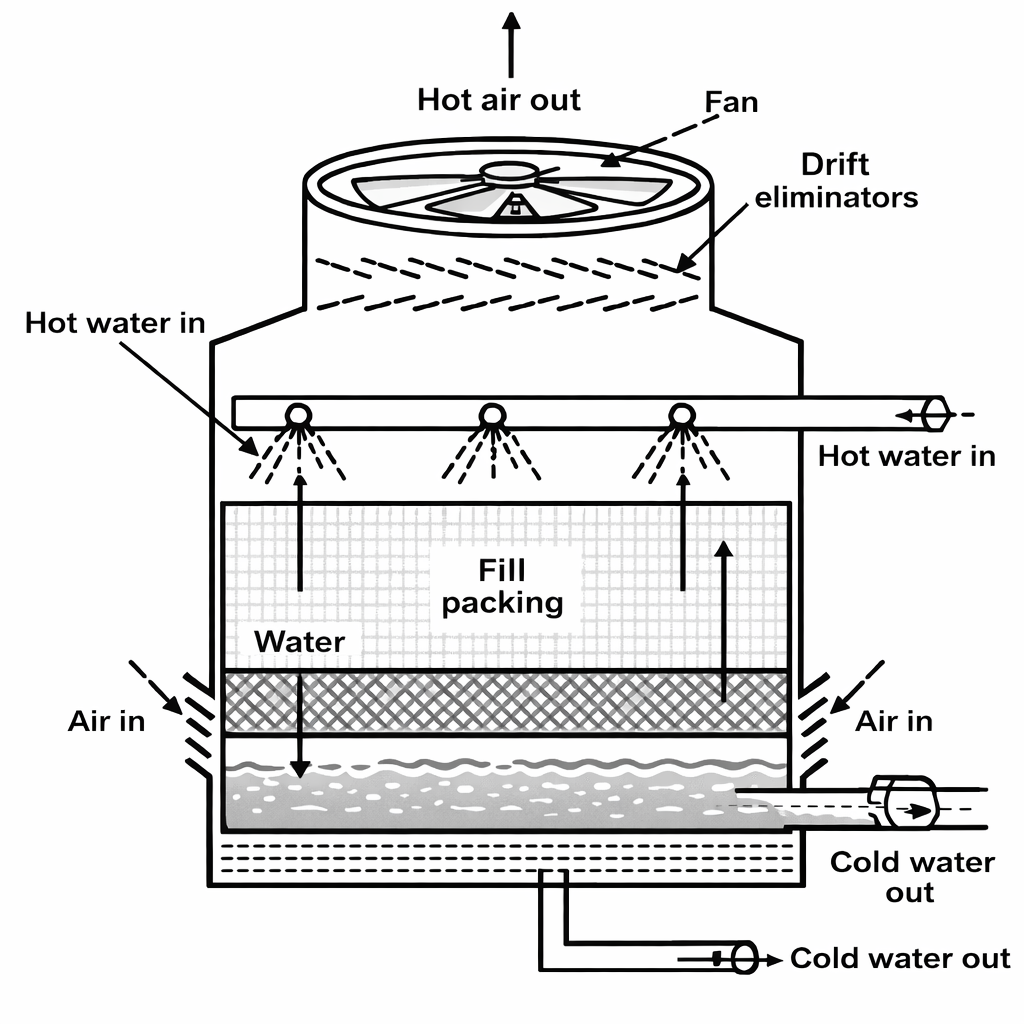
What is Cooling Tower Media?
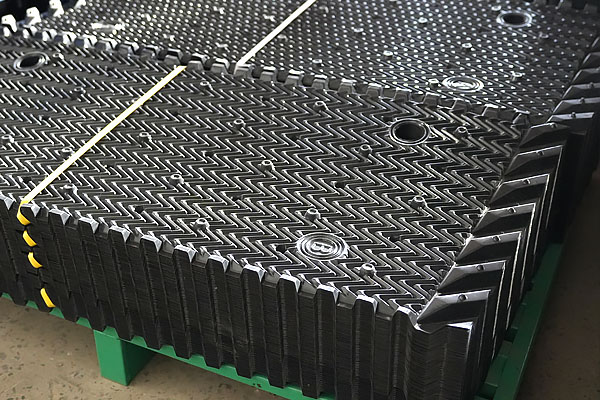
Cooling Tower Media refers to the material used inside a cooling tower that increases the surface area for heat exchange between water and air. It is typically made from various types of materials such as PVC, polypropylene (PP), and fiberglass reinforced plastic (FRP), each offering specific advantages in terms of durability, chemical resistance, and performance. The media works by providing a large surface area for water to flow over, promoting efficient heat transfer as the water evaporates. This helps to cool the water to an optimal temperature, ensuring that the cooling tower operates efficiently.
In cooling towers, media is typically designed in various forms, such as film fills, splash fills, and grid fills. Each type of media serves different cooling needs and is designed for specific applications, depending on factors such as airflow requirements, water quality, and space constraints.
Why Cooling Tower Media Matters
Choosing the right Cooling Tower Media is crucial because it directly impacts the efficiency, performance, and longevity of your cooling tower system. The media affects the heat transfer rate, water distribution, airflow optimization, and overall energy efficiency. Poorly selected or damaged media can lead to poor cooling performance, increased energy consumption, and reduced system lifespan.
Here are some reasons why selecting the right media is essential for your cooling tower:
- Optimized Heat Transfer Efficiency: The primary function of the media is to enhance the heat exchange process by increasing the surface area for water and air interaction. This allows for more effective cooling and better temperature regulation.
- Reduced Energy Consumption: High-quality media promotes efficient heat transfer, which reduces the overall energy required for the cooling process. This helps to lower operational costs and increase system efficiency.
- Long-Term Durability: Cooling tower media made from high-quality materials is resistant to corrosion, chemical exposure, and UV degradation, ensuring long-lasting performance in harsh environmental conditions.
- Water Conservation: With the right media, cooling towers can reduce water usage by optimizing heat transfer, which helps conserve water resources in areas facing water scarcity.
- Improved System Reliability: Choosing the right media ensures that the cooling tower operates at peak performance, which in turn increases the reliability of your entire cooling system.
If you're looking for high-quality Cooling Tower Media, explore our product range here.
Types of Cooling Tower Media
Film Fill Media
Film Fill Media is the most commonly used type of media in cooling towers due to its high efficiency and compact design. Film fill consists of thin, continuous sheets of material that allow water to flow over them, creating a thin film of water. This film increases the surface area for heat transfer and promotes evaporation. Film fill media is typically made from materials like PVC (Polyvinyl Chloride), which provides excellent resistance to UV light and corrosion. Film fill media is ideal for cooling towers where space is limited, as it offers high thermal performance in a compact design.
Advantages of Film Fill Media include:
- High heat transfer efficiency
- Compact design that saves space
- Low maintenance requirements
- Durability and resistance to chemical degradation
Film fill media is most commonly used in crossflow and counterflow cooling towers. If you’re interested in exploring Film Fill media, check out our PVC Cooling Tower Media.
Splash Fill Media
Splash Fill Media is designed with a grid-like structure that causes water to fall through and splash, creating additional surface area for heat transfer. This type of media is typically used in cooling towers that handle larger water volumes or where high evaporation rates are needed. The splash action increases the exposure of water to air, enhancing the heat exchange process. Splash fill media is commonly used in large-scale industrial applications like power plants and chemical processing plants, where harsh environmental conditions require more robust media.
Advantages of Splash Fill Media include:
- Ideal for large volumes of water
- Higher evaporation rates for enhanced cooling
- Increased durability in harsh conditions
- Efficient cooling even in challenging environmental conditions
Explore our Splash Grid Fill for your large-scale cooling tower applications.
Crossflow Film Fill Media
Crossflow Film Fill Media is used in cooling towers where water flows horizontally across the fill while air flows vertically through the tower. This design allows for a compact and efficient cooling tower system, making it ideal for installations with space constraints. The crossflow design optimizes cooling by increasing the contact time between water and air, which results in higher heat transfer efficiency.
Advantages of Crossflow Film Fill Media include:
- Compact design suitable for space-limited applications
- Efficient heat transfer due to the horizontal water flow and vertical air movement
- Suitable for a wide range of industrial and commercial applications
Learn more about Crossflow Film Fill Media by visiting our Crossflow Film Fill page.
Counterflow Film Fill Media
Counterflow Film Fill Media is designed for cooling towers where water flows downward, and air flows upward, in the opposite direction. This counterflow design maximizes heat exchange efficiency by providing a longer contact time between water and air. This type of fill is ideal for applications with higher performance requirements, such as power plants, HVAC systems, and large-scale industrial facilities.
Advantages of Counterflow Film Fill Media include:
- High efficiency and performance in demanding applications
- Increased contact time for optimal heat exchange
- Compact design for high-performance cooling in smaller spaces
Check out our Counterflow Film Fill options for your cooling tower needs.
Materials Used in Cooling Tower Media
Common Materials for Cooling Tower Media
The material used in Cooling Tower Media plays a vital role in determining its performance and longevity. Cooling towers operate in challenging environments, and the material must be able to withstand high temperatures, chemical exposure, and UV degradation. The most common materials used for cooling tower media include:
- PVC (Polyvinyl Chloride): PVC is the most widely used material for cooling tower media due to its excellent resistance to UV degradation, corrosion, and chemical exposure. It is highly durable and offers a good balance between cost and performance.
- PP (Polypropylene): PP is commonly used in applications where high temperature and chemical resistance are critical. It has a high melting point, making it suitable for industrial cooling systems exposed to aggressive environments.
- FRP (Fiberglass Reinforced Plastic): FRP is a lightweight and durable material that offers superior resistance to corrosion and chemicals. It is often used in cooling towers exposed to harsh environmental conditions and in industries where media longevity is crucial.
Why Material Selection Matters
The selection of the appropriate material for your Cooling Tower Media is essential to ensuring long-term performance and reliability. The right material can help prevent issues such as corrosion, UV degradation, and chemical damage, which can significantly affect the performance and lifespan of your cooling tower. Always consider factors such as water quality, environmental conditions, and temperature fluctuations when selecting the media material.
Performance & Efficiency of Cooling Tower Media
The performance of your cooling tower is heavily influenced by the type and quality of media you choose. Factors such as heat transfer rate, water distribution, and airflow optimization all contribute to the overall efficiency of the system.
- Heat Transfer Efficiency: The primary function of cooling tower media is to facilitate heat transfer between water and air. The better the heat transfer efficiency, the lower the energy consumption and operational costs.
- Water Distribution: Even distribution of water across the media is essential for consistent cooling performance. Uneven water distribution can lead to hot spots and reduced efficiency.
- Airflow Optimization: Cooling tower media should optimize airflow to ensure that the air passes through the media efficiently. This helps to improve heat transfer and minimize energy consumption.
- Durability: The media must be durable enough to withstand harsh environmental conditions. High-quality materials like PVC, PP, and FRP offer long-lasting performance in challenging cooling tower environments.
Standard vs. Custom Sizes for Cooling Tower Media
Cooling tower media comes in both standard and custom sizes. While standard sizes work well for most applications, custom sizes offer flexibility for unique cooling tower designs. Custom media ensures that you maximize the efficiency of your system, especially in cases where space is limited or when unique requirements need to be met.
For more information on customized Cooling Tower Media, feel free to contact us for personalized solutions.
Routine Maintenance of Cooling Tower Media
Proper maintenance of your Cooling Tower Media is key to ensuring that it operates efficiently and lasts for a long time. Regular maintenance can prevent issues such as clogging, scaling, and algae growth, which can impair the media's performance.
- Regular Cleaning: Periodically clean the media to remove debris, algae, and mineral buildup. This helps maintain water distribution and prevents blockages.
- Inspection for Wear: Regularly inspect the media for signs of damage, corrosion, or degradation. Replace damaged media to prevent performance issues.
- Check Water Distribution: Ensure that water is evenly distributed across the media surface. Uneven distribution can lead to inefficiencies.
- Check Airflow: Ensure that the airflow is not obstructed, as this can reduce the efficiency of the cooling tower.
Why Choose Our Cooling Tower Media?
At [Your Company Name], we offer high-quality Cooling Tower Media made from the best materials, including PVC, PP, and FRP. Our media products are designed for optimal performance, efficiency, and durability, even in the harshest industrial environments. Whether you need film fill, splash fill, or crossflow and counterflow media, we have the solution for your cooling tower needs. Explore our products today and take the first step towards optimizing your cooling system.
Need Assistance? Get in Touch with Us!
If you're unsure which Cooling Tower Media is best for your cooling tower, or if you need a custom solution, our team is here to help. Contact us today for expert advice and personalized recommendations.
Conclusion
Choosing the right Cooling Tower Media is essential for ensuring the efficiency, longevity, and performance of your cooling tower system. By selecting the appropriate media for your specific needs and maintaining it properly, you can reduce energy consumption, enhance cooling efficiency, and extend the lifespan of your cooling tower. Explore our range of high-quality products and contact us for expert advice!


