

Common Cooling Tower Fill Problems and How to Solve Them
Although Cooling Tower Fill is designed for long-term operation, it is constantly exposed to warm water, airborne contaminants, minerals, and biological growth. Over time, these conditions can reduce cooling efficiency and increase operating costs if problems are not identified and corrected early.
Regular inspection and preventive maintenance allow facility managers to detect issues before they lead to significant performance losses or unplanned shutdowns. Understanding the most common cooling tower fill problems also helps determine whether cleaning, repair, or complete replacement is the most cost-effective solution.
This article discusses the most frequent cooling tower fill issues, explains their causes, and provides practical recommendations for maintaining reliable cooling tower performance.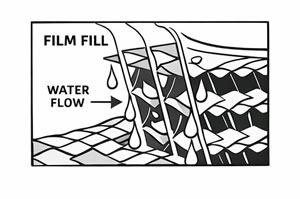
1. Mineral Scale Build-Up
Mineral scaling is one of the most common problems affecting cooling tower fill. As circulating water evaporates, dissolved minerals such as calcium carbonate remain behind and gradually accumulate on the fill surface.
Heavy scaling blocks water flow, reduces the effective heat transfer area, and restricts airflow through the fill pack. As a result, cooling efficiency decreases while fan and pump energy consumption increases.
The best solution is to maintain an effective water treatment program, monitor water hardness regularly, and remove deposits before severe scaling develops.
2. Biological Fouling and Algae Growth
Warm, moist environments provide ideal conditions for algae, bacteria, and biofilm formation. Biological fouling restricts airflow, interferes with water distribution, and accelerates corrosion throughout the cooling tower.
Routine cleaning combined with proper chemical water treatment helps prevent excessive biological growth. Facilities operating in warm climates should inspect fill packs more frequently during peak summer months.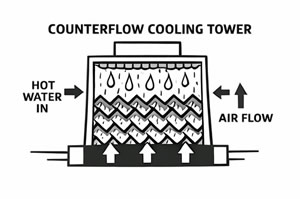
3. Clogged Fill Passages
Dust, leaves, airborne debris, and suspended solids can gradually accumulate inside the fill structure, reducing airflow and limiting heat transfer efficiency.
For systems handling poor-quality water or high concentrations of suspended solids, Splash Grid Fill often provides better long-term reliability because its open structure is less likely to become clogged than traditional film fill.
4. Fill Deformation Caused by High Temperature
Operating temperatures that exceed the material's design limits may cause fill sheets to warp, soften, or collapse. Deformed fill reduces airflow and water distribution, resulting in lower cooling capacity.
For standard commercial cooling systems, PVC Cooling Tower Fill Media provides excellent thermal performance. However, high-temperature industrial applications are generally better suited for PP Cooling Tower Fill, which offers superior heat resistance.
5. Aging and Material Degradation
Even under normal operating conditions, cooling tower fill gradually ages due to continuous exposure to UV light, chemicals, thermal cycling, and mechanical stress. Over time, fill sheets may become brittle, crack, or lose their structural integrity, reducing both heat transfer efficiency and airflow.
Routine inspections help identify aging components before they fail. When multiple fill packs show signs of deterioration, replacing the entire fill section is often more economical than performing repeated repairs.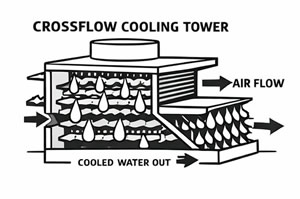
How to Prevent Cooling Tower Fill Problems
Preventive maintenance is the most effective strategy for avoiding costly repairs and extending the service life of Cooling Tower Fill. A well-maintained cooling tower delivers stable thermal performance while minimizing energy consumption and maintenance expenses.
- Inspect fill packs at least every month.
- Maintain proper water treatment to control scale and biological growth.
- Remove debris before airflow becomes restricted.
- Check spray nozzles for even water distribution.
- Inspect Drift Eliminators and Cooling Tower Air Inlet Louvers during routine maintenance.
- Replace damaged fill promptly to prevent reduced cooling performance.
Frequently Asked Questions
What is the most common cooling tower fill problem?
Mineral scale buildup is one of the most common issues. It reduces the effective heat transfer area, restricts airflow, and lowers overall cooling efficiency.
Can clogged cooling tower fill be cleaned?
Yes. Light fouling and debris can often be removed through appropriate cleaning methods. However, severely clogged or damaged fill should be replaced to restore optimal performance.
How do I know when cooling tower fill should be replaced?
Visible cracks, collapsed fill packs, severe scaling that cannot be removed, reduced cooling capacity, and uneven water distribution are all signs that replacement should be considered.
Which fill material lasts longer?
Both PVC Cooling Tower Fill Media and PP Cooling Tower Fill provide long service life when operated within their recommended temperature ranges and supported by proper water treatment.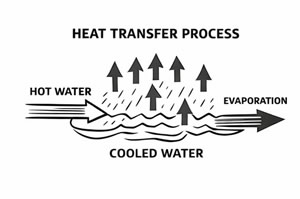
Conclusion
Most cooling tower fill problems develop gradually and can be prevented through regular inspections, effective water treatment, and timely maintenance. Addressing scaling, fouling, clogging, and aging before they become severe helps maintain efficient heat transfer, reduce operating costs, and improve equipment reliability.
Whether your system requires Counterflow Film Fill, Crossflow Film Fill, Splash Grid Fill, PVC Cooling Tower Fill Media, or PP Cooling Tower Fill, selecting the right material and following a preventive maintenance plan will ensure reliable long-term cooling performance.
Looking for Reliable Cooling Tower Fill Solutions?
We supply a complete range of cooling tower fill products for HVAC systems, industrial process cooling, power plants, and water treatment facilities. Our engineering team can recommend the ideal fill solution based on your cooling tower design and operating conditions.
- Counterflow Film Fill
- Crossflow Film Fill
- Splash Grid Fill
- PVC Cooling Tower Fill Media
- PP Cooling Tower Fill
- Drift Eliminators
- Cooling Tower Air Inlet Louvers
For technical consultation or a customized quotation, please contact our engineering team.