

Signs Your Cooling Tower Fill Needs Replacement: A Maintenance Guide for Contractors
For maintenance professionals in Southeast Asia and the Middle East, ensuring optimal heat transfer efficiency is crucial. The cooling tower fill is the heart of the system. Over time, scale buildup, clogging, and material degradation can severely impact performance. Here is how to identify when to replace your media and choose the right product.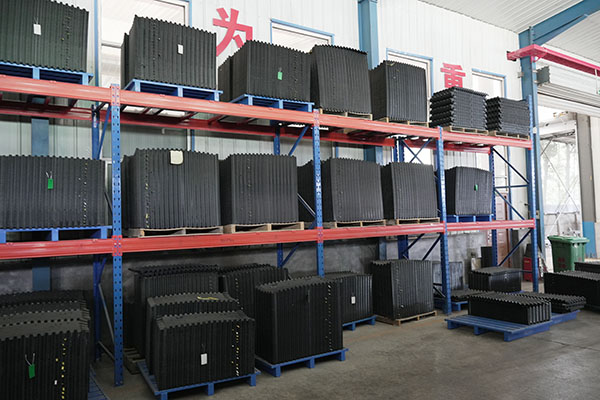
1. Common Issues with Aging Cooling Tower Media
If you notice an increase in water outlet temperatures or reduced airflow, it might be time to inspect the fill packs. In many cases, old film fills suffer from:
- Calcification and Scaling: Heavy mineral deposits block air and water passages.
- Structural Collapse: PVC sheets becoming brittle due to UV exposure or chemical attack.
- Biological Fouling: Algae growth restricting water distribution.
2. Choosing the Right Replacement Fill
Selecting the correct media depends on your water quality and tower type. We provide a comprehensive range of high-quality replacements:
For Crossflow Towers
If you are servicing crossflow towers (often used by brands like Marley or BAC), you need media that integrates louvers and drift eliminators. Our Crossflow Film Fill is designed for maximum water distribution and low pressure drop.
For Counterflow Towers
For counterflow systems requiring high thermal performance, we recommend our Counterflow Film Fill. It provides a large surface area for efficient heat exchange.
Need Help Identifying the Right Model?
Not sure which fill fits your client's tower? Send us a photo of the old media or the technical drawings. Our engineers will match the exact specifications for you.
3. Material Selection: PVC vs. PP
While standard PVC cooling tower fill works for most HVAC applications, high-temperature industrial processes may require stronger materials. If the water temperature exceeds 60°C, consider upgrading to PP Cooling Tower Fill for better heat resistance.
4. Maintenance Tips to Extend Fill Life
- Regularly check water treatment chemicals to prevent scaling.
- Inspect Cooling Tower Air Inlet Louvers to ensure no debris is entering the tower.
- Perform annual weight checks on fill packs to monitor fouling levels.