

Cooling Tower Fill Surface Area: Why It Determines Heat Transfer Performance
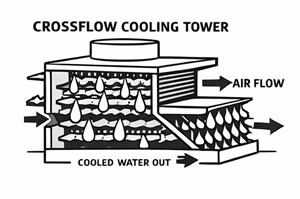
Surface area is one of the most critical characteristics of cooling tower fill. The primary function of fill is to maximize the contact area between circulating water and ambient air, allowing heat to be removed efficiently through evaporation and sensible heat transfer.
However, more surface area does not always mean better cooling performance. The relationship between surface area, airflow resistance, water distribution, and fouling must be carefully balanced to achieve optimal efficiency.
What Is Cooling Tower Fill Surface Area?
Cooling tower fill surface area refers to the total wetted area created by the fill sheets where water spreads into a thin film. A larger effective surface area allows more heat exchange between water and air.
Surface Area Is Influenced By
- Fill sheet geometry
- Corrugation design
- Embossed surface texture
- Sheet spacing
- Fill pack height
- Water distribution quality
Why Surface Area Matters
The greater the effective contact area, the more opportunity there is for evaporation. Properly designed fill allows water to flow as a thin film rather than large streams, significantly improving thermal performance.
Main Benefits
- Higher heat transfer efficiency
- Better evaporative cooling
- More uniform water distribution
- Lower outlet water temperature
- Improved system stability
How Surface Area Influences Cooling Performance
Heat Transfer
A larger wetted surface increases the contact time between water and airflow, allowing more heat to dissipate before the water leaves the fill pack.
Evaporation Efficiency
Thin water films evaporate more efficiently than large water streams. Modern film fill is designed to maximize this effect while maintaining stable airflow.
Airflow Distribution
Surface area must be balanced with airflow passages. Excessive fill density can increase pressure drop and reduce overall cooling performance.
Comparison of Different Fill Designs
| Fill Type | Effective Surface Area | Cooling Efficiency | Fouling Resistance |
|---|---|---|---|
| Film Fill | Very High | Excellent | Medium |
| Wide-Spaced Film Fill | High | Very Good | Good |
| Splash Fill | Medium | Good | Excellent |
Factors That Reduce Effective Surface Area
Scale Formation
Mineral deposits reduce the active heat transfer area and restrict water flow.
Biological Fouling
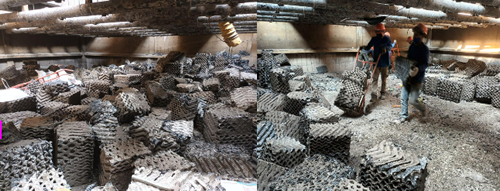
Algae and biofilm cover the fill surface, reducing evaporation efficiency and increasing maintenance requirements.
Poor Water Distribution
If water is unevenly distributed, part of the fill remains dry, reducing the effective heat exchange area.
How to Maximize Fill Surface Efficiency
- Select fill designed for your water quality.
- Maintain clean spray nozzles.
- Monitor water chemistry regularly.
- Remove scale before severe blockage occurs.
- Inspect fill packs during scheduled maintenance.
Choosing the Right Fill Based on Surface Area
| Application | Recommended Fill |
|---|---|
| HVAC Systems | High-efficiency PVC Film Fill |
| General Industrial Cooling | Wide-Spaced Film Fill |
| High Fouling Water | Splash Fill |
| High Temperature Systems | PP Fill |
Frequently Asked Questions
Does larger surface area always improve cooling?
No. Excessive surface density may increase airflow resistance and make the fill more susceptible to fouling. The best performance comes from balancing surface area with airflow and water distribution.
Why does dirty fill reduce cooling efficiency?
Scale and biological growth cover the active heat transfer surface, reducing evaporation and restricting airflow.
Can replacing old fill restore cooling performance?
Yes. Replacing severely fouled or damaged fill can significantly improve heat transfer efficiency and reduce system operating costs when the replacement fill is correctly selected.
Conclusion
Cooling tower fill surface area plays a decisive role in heat transfer, evaporation efficiency, and long-term cooling performance. Selecting the right fill design and maintaining a clean heat transfer surface helps maximize efficiency while extending equipment service life.
TowerFill manufactures high-performance PVC film fill, PP fill, splash fill, drift eliminators, and customized cooling tower fill solutions for industrial cooling systems worldwide. Contact our engineering team to select the optimal fill for your operating conditions.