

How Cooling Tower Fill Improves Heat Transfer Efficiency
The performance of any cooling tower depends largely on its ability to transfer heat efficiently from circulating water to the surrounding air. At the heart of this process is the Cooling Tower Fill, a component specifically designed to maximize the contact area between water and air while extending the contact time required for effective evaporative cooling.
Although fans, pumps, and water distribution systems all contribute to cooling tower performance, the fill media has the greatest influence on heat transfer efficiency. Selecting the correct fill design and maintaining it properly can significantly reduce energy consumption, increase cooling capacity, and extend the service life of the entire cooling system.
This article explains how cooling tower fill works, why it improves thermal performance, and how to select the best fill solution for different industrial and commercial applications.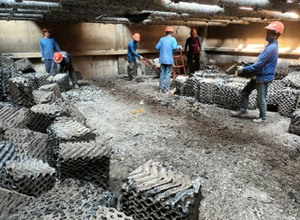
What Is Heat Transfer in a Cooling Tower?
Cooling towers remove unwanted heat by allowing warm circulating water to come into direct contact with ambient air. As a small portion of the water evaporates, it absorbs a large amount of heat, reducing the temperature of the remaining water before it returns to the cooling system.
Without fill media, water would fall rapidly through the tower with minimal contact time, resulting in poor cooling efficiency. Cooling tower fill slows the flow of water, spreads it into thin films or droplets, and dramatically increases the surface area available for evaporation.
The larger the effective heat exchange surface, the greater the cooling capacity of the tower.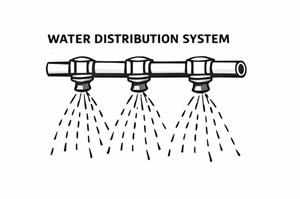
How Cooling Tower Fill Increases Heat Transfer
Modern cooling tower fill is engineered to optimize three key factors that directly influence thermal performance.
1. Increased Surface Area
Film fill creates thousands of thin water films across corrugated sheets, allowing more water to contact moving air. This significantly increases evaporation efficiency compared with open water flow.
2. Longer Contact Time
The fill structure slows the downward movement of water, providing additional time for heat exchange before the water reaches the cold water basin.
3. Uniform Water Distribution
Properly designed fill distributes water evenly across the entire media pack, eliminating dry spots and ensuring maximum utilization of the available heat transfer surface.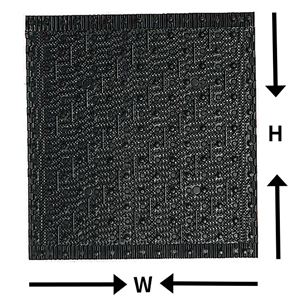
Different Fill Designs and Their Performance
Different cooling tower applications require different fill structures depending on water quality, tower configuration, and operating conditions.
Counterflow Film Fill is designed for counterflow cooling towers where air moves upward against the downward flow of water. Its compact structure delivers high thermal efficiency and is widely used in industrial process cooling.
Crossflow Film Fill is specifically designed for crossflow towers, allowing horizontal airflow while maintaining uniform water distribution. It offers reliable cooling performance and simplified maintenance.
For applications involving dirty water or high suspended solids, Splash Grid Fill is often preferred because its open design resists clogging better than conventional film fill.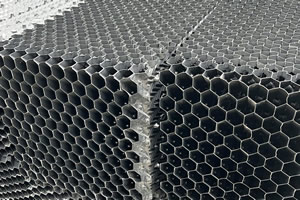
Choosing the Right Fill Material
Material selection is equally important as fill geometry. The operating temperature, chemical exposure, and water quality should all be evaluated before selecting replacement fill.
PVC Cooling Tower Fill Media is the preferred solution for most commercial HVAC systems and standard industrial cooling towers because of its excellent heat transfer efficiency, corrosion resistance, and cost-effectiveness.
For high-temperature or chemically demanding environments, PP Cooling Tower Fill provides greater thermal stability and chemical resistance, making it suitable for power plants, petrochemical facilities, and heavy industrial processes.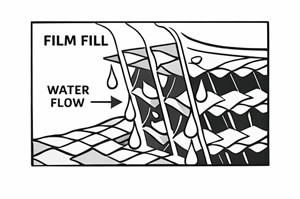
Factors That Affect Heat Transfer Efficiency
Even the highest-quality fill media cannot achieve optimal performance if other parts of the cooling tower are not functioning properly. Several operating factors directly influence the efficiency of heat transfer.
- Uniform water distribution across the fill surface
- Proper airflow through the fill pack
- Clean fill media free from scale and biological fouling
- Correct circulating water flow rate
- Effective water treatment to control scaling and corrosion
Restricted airflow caused by clogged Cooling Tower Air Inlet Louvers or damaged Drift Eliminators can reduce cooling efficiency even when the fill itself is in good condition. Regular inspection of the entire cooling tower ensures every component contributes to efficient heat exchange.
Maintenance Practices That Preserve Cooling Efficiency
Routine maintenance helps cooling tower fill continue delivering high thermal performance throughout its service life. Preventive maintenance is generally less expensive than replacing damaged fill or dealing with unplanned downtime.
- Inspect fill packs every 6–12 months.
- Remove scale, algae, and debris before heavy fouling develops.
- Maintain proper water treatment chemistry.
- Check spray nozzles for even water distribution.
- Inspect Drift Eliminators and Cooling Tower Air Inlet Louvers during scheduled shutdowns.
- Replace damaged fill sections before they affect overall cooling performance.
Facilities that follow a proactive maintenance program typically experience lower operating costs, improved energy efficiency, and longer service life for cooling tower components.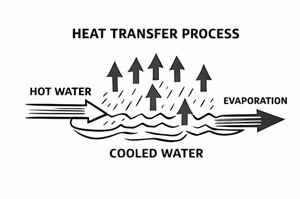
Frequently Asked Questions
Does new cooling tower fill improve cooling performance?
Yes. Replacing aged or fouled fill restores the designed heat transfer surface, improves airflow, and can significantly increase cooling efficiency while reducing energy consumption.
Which fill type offers the highest efficiency?
Both Counterflow Film Fill and Crossflow Film Fill provide excellent thermal performance when matched to the correct cooling tower design.
Should I choose PVC or PP fill?
PVC Cooling Tower Fill Media is ideal for most commercial and standard industrial applications, while PP Cooling Tower Fill is recommended for higher operating temperatures and chemically aggressive environments.
How can I maintain maximum heat transfer efficiency?
Maintain proper water treatment, inspect the fill regularly, clean deposits before severe fouling occurs, and ensure supporting components remain in good condition.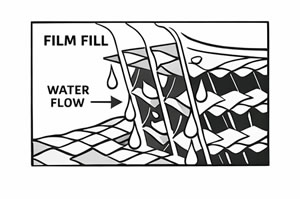
Conclusion
Cooling tower fill is the primary component responsible for efficient heat transfer inside a cooling tower. By increasing the contact area between water and air, extending contact time, and promoting uniform water distribution, properly selected fill media significantly improves cooling performance and reduces operating costs.
Whether your application requires Counterflow Film Fill, Crossflow Film Fill, PVC Cooling Tower Fill Media, PP Cooling Tower Fill, or Splash Grid Fill, choosing the correct solution and maintaining it properly will maximize heat transfer efficiency and extend the service life of your cooling system.
Optimize Your Cooling Tower Performance
We offer a complete range of high-performance cooling tower fill products designed for commercial HVAC systems and industrial cooling applications. Our engineering team can help you select the most suitable fill based on your tower design, operating conditions, and maintenance requirements.
- Counterflow Film Fill
- Crossflow Film Fill
- PVC Cooling Tower Fill Media
- PP Cooling Tower Fill
- Splash Grid Fill
For technical assistance or a customized quotation, please contact our engineering team.