

PVC vs PP Cooling Tower Fill: How to Choose the Right Material for Your Cooling Tower
Selecting the right cooling tower fill is one of the most important decisions when designing a new cooling system or replacing aging fill media. Although PVC and PP are both widely used in industrial cooling towers, they are designed for different operating environments. Choosing the wrong material may reduce cooling efficiency, shorten service life, and increase maintenance costs.
This guide compares PVC and PP cooling tower fill from a practical engineering perspective. You'll learn the advantages of each material, where they perform best, and how to select the most suitable solution for your cooling tower.
What Is Cooling Tower Fill?
Cooling tower fill, also called cooling tower fill media or cooling tower packing, is installed inside the tower to maximize the contact area between water and air. As warm water flows across the fill surface while air passes through it, heat is removed through evaporation, improving the tower's overall cooling performance.
Different applications require different fill materials. The two most common options are PVC cooling tower fill and PP cooling tower fill.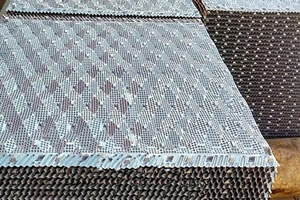
PVC Cooling Tower Fill
PVC is the most widely used material in commercial HVAC systems, power plants, and general industrial cooling towers. It offers excellent heat transfer performance, low airflow resistance, and competitive cost, making it the preferred choice for most standard operating conditions.
- Excellent cooling efficiency
- Lightweight and easy to install
- Cost-effective
- Suitable for most cooling tower applications
- Available in various film fill designs
For the majority of cooling systems operating under normal water temperatures, PVC provides the best balance between performance and lifecycle cost.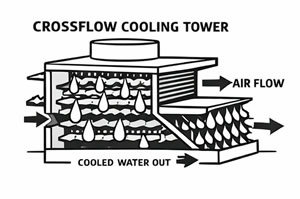
PVC vs PP: What's the Difference?
Although both materials are used to manufacture high-performance cooling tower fill media, they are designed for different operating environments. The table below highlights the key differences.
| Feature | PVC Cooling Tower Fill | PP Cooling Tower Fill |
|---|---|---|
| Heat Transfer Efficiency | Excellent | Excellent |
| Temperature Resistance | Suitable for standard operating temperatures | Better for high-temperature applications |
| Chemical Resistance | Good | Excellent |
| Impact Resistance | Good | Very Good |
| Initial Cost | Lower | Higher |
| Typical Applications | HVAC, Power Plants, General Industry | Chemical Plants, Steel Mills, High-Temperature Processes |
From a cooling perspective, both materials can achieve excellent thermal performance. The decision should be based on operating temperature, water quality, and long-term maintenance requirements instead of price alone.
When Should You Choose PVC Cooling Tower Fill?
For most cooling towers, PVC cooling tower fill remains the preferred solution because it combines high efficiency with low lifecycle cost.
PVC is recommended if your cooling tower operates under relatively stable conditions and uses properly treated circulating water.
PVC is an excellent choice for:
- Commercial HVAC systems
- Office buildings
- Data centers
- Power generation projects
- General industrial cooling systems
- Cooling tower retrofit projects
If your existing cooling tower packing is aging, replacing it with a modern PVC film fill design can improve heat transfer while reducing fan energy consumption.
When Is PP Cooling Tower Fill the Better Option?
PP cooling tower fill is designed for applications where higher temperatures or aggressive chemicals could shorten the service life of standard PVC fill.
Industries such as chemical processing, metallurgy, mining, and certain manufacturing facilities often select PP because of its superior temperature and chemical resistance.
PP is commonly used in:
- Chemical processing plants
- Steel and metallurgy industries
- Mining operations
- Industrial wastewater cooling
- High-temperature process cooling
Although the initial investment is higher, PP can reduce replacement frequency in demanding operating environments, making it a cost-effective long-term solution.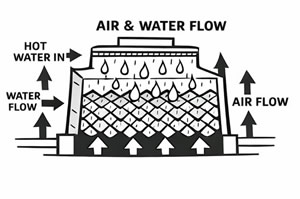
Don't Forget the Fill Design
Material is only one part of the equation. The structure of the cooling tower fill media also has a significant impact on cooling efficiency.
For example, counterflow towers typically use different fill configurations than crossflow towers. Selecting the correct fill geometry for your tower is just as important as selecting the correct material.
During a replacement project, it is also a good opportunity to inspect related components such as drift eliminators, air inlet louvers, spray nozzles, and the water distribution system to ensure the entire cooling tower performs efficiently.
How to Select the Right Cooling Tower Fill for Your Project
Before selecting a replacement cooling tower fill, engineers should evaluate the entire cooling system rather than focusing only on the material. Factors such as operating temperature, water quality, tower type, maintenance intervals, and future production plans all influence the best choice.
If your cooling tower operates under standard conditions with good water treatment, a modernPVC cooling tower filltypically delivers excellent cooling performance with the lowest lifecycle cost.
If the system handles higher water temperatures or corrosive process water,PP cooling tower fillprovides greater durability and longer service life.
Selection Checklist
| Question | Recommendation |
|---|---|
| Normal operating temperature? | PVC is usually the best choice. |
| High-temperature process cooling? | Consider PP. |
| Corrosive chemicals in circulating water? | PP offers better resistance. |
| Looking for the most economical solution? | PVC provides excellent value. |
| Planning a cooling tower upgrade? | Evaluate both material and fill design together. |
More Than Fill Media: Other Components Matter
Replacing the fill is also an ideal opportunity to inspect other internal components. Worn accessories can reduce cooling performance even if new fill media has been installed.
- Inspect the drift eliminator for damage or blockage.
- Check the air inlet louvers to ensure unrestricted airflow.
- Verify that spray nozzles distribute water evenly.
- Inspect the fill support structure for corrosion.
- Clean the cold-water basin before restarting the system.
A complete inspection helps maximize the performance of your new cooling tower fill and extends the service life of the entire cooling system.
Frequently Asked Questions
Can I replace PVC fill with PP fill?
Yes. As long as the replacement fill matches your cooling tower's dimensions and support structure, upgrading from PVC to PP is possible. It is most beneficial for systems operating at elevated temperatures or in chemically aggressive environments.
Which material lasts longer?
There is no universal answer. PVC generally lasts longer in standard cooling applications, while PP performs better in harsh industrial environments with higher temperatures or stronger chemical exposure.
Does PP provide better cooling performance?
Not necessarily. Cooling efficiency depends mainly on the fill design, water distribution, and airflow. PP's primary advantage is durability under demanding operating conditions.
How often should cooling tower fill be inspected?
Most cooling towers should receive a visual inspection at least once a year, with a more comprehensive inspection during scheduled maintenance shutdowns.
Common Mistakes When Selecting Cooling Tower Fill
Many cooling tower owners focus primarily on price when purchasing replacement fill. However, selecting the wrong material or fill design can increase operating costs over the life of the cooling tower. Understanding these common mistakes helps ensure better long-term performance.
Choosing the Lowest Price Instead of the Best Value
A lower purchase price does not always translate into lower operating costs. The correct cooling tower fill should provide stable cooling performance, long service life, and reduced maintenance requirements throughout its lifecycle.
Ignoring Water Quality
Poor water treatment is one of the leading causes of scale, biological fouling, and premature aging of cooling tower fill media. Even premium materials cannot compensate for untreated circulating water. Regular water analysis and preventive maintenance are essential for maximizing fill life.
Selecting Material Without Considering Operating Temperature
If a cooling tower operates continuously at elevated temperatures, upgrading toPP cooling tower fillmay provide better long-term reliability. For conventional cooling systems, however,PVC cooling tower fillusually delivers the best balance between efficiency and cost.
Why Work With an Experienced Cooling Tower Fill Manufacturer?
Selecting replacement fill involves more than matching dimensions. A qualified manufacturer can recommend the appropriate material, sheet spacing, fill height, and configuration based on your cooling tower type and operating conditions.
For retrofit projects, engineering support can also help determine whether the existing fill support structure, drift eliminators, and water distribution system are compatible with the new fill media. Addressing these details before installation helps reduce project risks and improves long-term cooling performance.
Final Thoughts
Whether you choose PVC or PP, the most important objective is selecting a solution that matches your cooling tower's operating conditions. A properly designed and correctly installed fill pack improves heat transfer efficiency, reduces maintenance requirements, and extends the service life of the entire cooling system.
If you are planning a replacement project, reviewing your operating temperature, water quality, tower configuration, and maintenance history before purchasing new fill will help you achieve the best return on your investment.
Request Professional Technical Support
Looking for the right cooling tower fill solution? Our engineering team can recommend suitable products based on your tower type, operating temperature, water quality, and project requirements.