

How to Clean Cooling Tower Fill Without Damaging the Fill Media
Keeping Cooling Tower Fill clean is essential for maintaining heat transfer efficiency, reducing energy consumption, and extending the service life of your cooling tower. Over time, scale, algae, biofilm, sediment, and other contaminants accumulate on the fill surface, restricting airflow and water distribution. If these deposits are not removed properly, cooling performance declines and operating costs increase.
However, cleaning cooling tower fill is not simply a matter of using high-pressure water or strong chemicals. Incorrect cleaning methods can permanently damage the fill sheets, reduce structural strength, and shorten equipment life. This guide explains how to clean cooling tower fill safely, when cleaning is appropriate, and when replacement is the better investment.
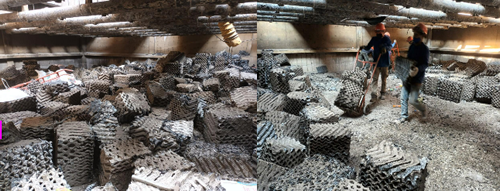
Why Does Cooling Tower Fill Become Dirty?
Cooling tower fill continuously contacts circulating water and outside air, making it susceptible to contamination. Even well-maintained systems gradually accumulate deposits that reduce thermal performance.
Common causes include:
- Calcium and mineral scale
- Dust and airborne particles
- Algae and biological growth
- Bacteria and biofilm
- Corrosion products
- Suspended solids from process water
As deposits increase, water no longer flows evenly across the fill surface. Air passages become partially blocked, reducing evaporation efficiency and increasing fan power consumption.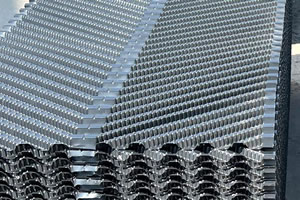
Signs Your Cooling Tower Fill Needs Cleaning
Routine inspection helps identify problems before cooling capacity is seriously affected. Typical warning signs include:
- Higher cooling water outlet temperature
- Reduced cooling efficiency during peak summer operation
- Visible scale or slime on the fill surface
- Uneven water distribution
- Higher fan energy consumption
- Restricted airflow through the fill pack
If these symptoms appear, inspect not only the Cooling Tower Fill itself but also related components such as Drift Eliminators and Cooling Tower Air Inlet Louvers, as contamination often affects multiple parts simultaneously.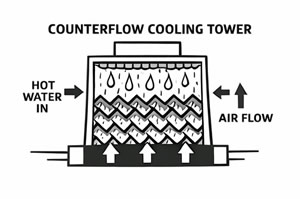
Safe Methods for Cleaning Cooling Tower Fill
1. Low-Pressure Water Cleaning
For light dirt and loose debris, low-pressure water rinsing is usually the safest method. Water pressure should be sufficient to remove deposits without bending or damaging the fill sheets.
Avoid directing water at a sharp angle or using excessive pressure, especially when cleaning older PVC Cooling Tower Fill Media.
2. Chemical Cleaning
Mineral scale often requires specialized descaling chemicals. Only cleaning agents compatible with the fill material should be used, and manufacturer recommendations should always be followed.
After chemical cleaning, thoroughly flush the system to remove any remaining residues before restarting the cooling tower.
3. Manual Cleaning
For localized contamination, soft brushes or non-abrasive cleaning tools may be used. Never use metal brushes or sharp tools that could scratch or puncture the fill sheets.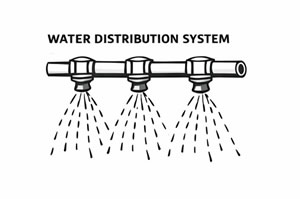
Cleaning Methods to Avoid
Some maintenance practices may appear effective but actually shorten the service life of the fill media.
- High-pressure water jets that deform fill sheets.
- Strong acids without proper dilution.
- Steel brushes or abrasive tools.
- Steam cleaning at excessive temperatures.
- Walking directly on unsupported fill packs.
Damaged fill surfaces reduce heat transfer efficiency and may require complete replacement much sooner than expected.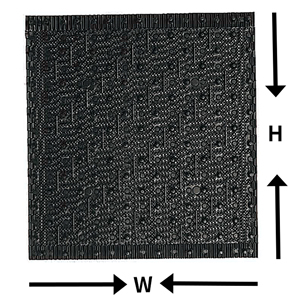
When Cleaning Is No Longer Enough
Cleaning cannot solve every problem. If the fill has become brittle, cracked, permanently deformed, or heavily fouled internally, replacement is often more economical than repeated cleaning.
Modern PVC Cooling Tower Fill Media offers improved thermal performance compared with aging fill packs. Facilities operating at elevated temperatures may instead consider PP Cooling Tower Fill for improved durability.
Preventive Maintenance Tips
Preventive maintenance significantly reduces cleaning frequency and extends equipment life.
- Maintain proper water treatment.
- Monitor water chemistry regularly.
- Inspect fill at least once per year.
- Remove debris before heavy fouling develops.
- Inspect Drift Eliminators and Cooling Tower Air Inlet Louvers during scheduled shutdowns.
- Replace damaged spray nozzles promptly.
For systems using Counterflow Film Fill or Crossflow Film Fill, maintaining uniform water distribution is especially important for achieving maximum cooling efficiency.
Frequently Asked Questions
How often should cooling tower fill be cleaned?
Most systems should be inspected annually. Cleaning frequency depends on water quality, operating conditions, and the effectiveness of the water treatment program.
Can pressure washers be used?
Only low-pressure cleaning is recommended. High-pressure washers can permanently deform the fill media.
Should damaged fill be repaired or replaced?
Minor contamination can usually be cleaned, but cracked, brittle, or severely clogged fill should generally be replaced to restore cooling efficiency.
Which fill type is easier to maintain?
Both Counterflow Film Fill and Crossflow Film Fill are relatively easy to maintain when supported by proper water treatment and routine inspections.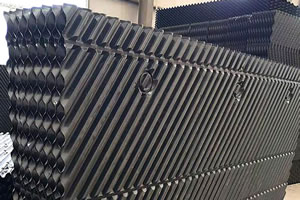
Conclusion
Proper cleaning helps restore cooling performance, reduce energy consumption, and extend the life of your cooling tower. However, safe cleaning methods are just as important as cleaning itself. Using compatible chemicals, low-pressure water, and routine inspections protects the integrity of the fill media while maximizing long-term efficiency.
If the existing fill is heavily damaged or no longer delivers adequate cooling performance, replacing it with new PVC Cooling Tower Fill Media or PP Cooling Tower Fill may provide a better long-term return on investment.
Need Professional Cooling Tower Fill Solutions?
Whether you need replacement fill, maintenance advice, or technical support, our team can recommend the most suitable products based on your cooling tower type and operating conditions.
- Counterflow Film Fill
- Crossflow Film Fill
- Splash Grid Fill
- PVC Cooling Tower Fill Media
- PP Cooling Tower Fill
For technical consultation or a quotation, please contact our engineering team.
Related Resources
- Cooling Tower Fill
- PVC Cooling Tower Fill Media
- PP Cooling Tower Fill
- Counterflow Film Fill
- Crossflow Film Fill
- Splash Grid Fill
- Contact Us
How Water Treatment Extends the Life of Cooling Tower Fill
Cleaning alone is not enough to keep a cooling tower operating efficiently. An effective water treatment program is the foundation of long-term cooling performance. By controlling scale formation, corrosion, and biological growth, proper water treatment helps maintain clean heat transfer surfaces and significantly extends the service life of Cooling Tower Fill.
Without adequate water treatment, minerals such as calcium carbonate can accumulate rapidly on the fill surface, creating an insulating layer that reduces heat transfer efficiency. At the same time, algae, bacteria, and biofilm restrict airflow and water distribution, forcing fans and pumps to consume more energy.
Regular monitoring of pH, conductivity, hardness, and biological activity allows operators to identify problems before they become expensive maintenance issues. Combining water treatment with scheduled inspections is the most cost-effective strategy for protecting cooling tower components.
Choosing the Right Fill Material for Different Applications
Not every cooling tower operates under the same conditions. Selecting the appropriate fill material depends on water temperature, water quality, operating environment, and maintenance requirements.
| Operating Condition | Recommended Solution |
|---|---|
| Commercial HVAC | PVC Cooling Tower Fill Media |
| High-temperature industrial process | PP Cooling Tower Fill |
| Counterflow cooling tower | Counterflow Film Fill |
| Crossflow cooling tower | Crossflow Film Fill |
| Water with high suspended solids | Splash Grid Fill |
Matching the fill media to actual operating conditions improves thermal efficiency while reducing cleaning frequency and maintenance costs throughout the equipment lifecycle.
Benefits of Routine Cooling Tower Inspections
Many cooling tower failures develop gradually and remain unnoticed until cooling capacity drops significantly. Establishing a preventive inspection schedule helps identify early signs of wear before major repairs become necessary.
During each inspection, maintenance personnel should evaluate the condition of the fill media together with other key components, including Drift Eliminators, Cooling Tower Air Inlet Louvers, spray nozzles, support structures, and water distribution systems. Replacing worn accessories at the same time as the fill often minimizes downtime and improves overall system performance.
Facilities that perform routine inspections generally experience lower operating costs, more stable cooling performance, and fewer unexpected shutdowns during peak production periods.
Environmental and Energy Benefits of Clean Cooling Tower Fill
A clean cooling tower operates more efficiently because water and air can move freely through the fill pack. Improved heat transfer reduces the workload on fans, pumps, and chillers, lowering overall electricity consumption.
Efficient cooling systems also consume less make-up water because optimized heat exchange reduces unnecessary evaporation losses. For facilities focused on sustainability, maintaining clean Cooling Tower Fill contributes to lower operating costs while supporting environmental objectives.
Replacing severely fouled or aging fill with modern PVC Cooling Tower Fill Media can often deliver noticeable improvements in cooling efficiency without requiring major modifications to the cooling tower itself.
Final Recommendation
Cleaning is an essential part of cooling tower maintenance, but it should always be combined with proper water treatment, routine inspections, and timely component replacement. When cleaning methods are performed correctly, cooling tower fill can provide many years of reliable service while maintaining high thermal performance.
If inspection reveals brittle sheets, structural damage, severe scaling, or irreversible fouling, replacement is often the most economical long-term solution. Choosing the correct fill type—whether Counterflow Film Fill, Crossflow Film Fill, PVC Cooling Tower Fill Media, PP Cooling Tower Fill, or Splash Grid Fill—ensures your cooling tower continues operating efficiently for years to come.
Contact Our Cooling Tower Experts
Whether you need replacement fill media, technical consultation, or customized cooling tower solutions, our experienced team is ready to help you select the most suitable products for your project.
- Cooling Tower Fill
- Counterflow Film Fill
- Crossflow Film Fill
- Splash Grid Fill
- PVC Cooling Tower Fill Media
- PP Cooling Tower Fill
For product recommendations or a customized quotation, please contact our engineering team.