

Cooling Tower Fill Maintenance Checklist: Best Practices for Maximum Efficiency
Proper maintenance is the key to maximizing the performance and lifespan of Cooling Tower Fill. Even premium fill media can lose efficiency if scale, biological growth, or debris are allowed to accumulate. A preventive maintenance program helps ensure stable heat transfer, lower energy consumption, and fewer unexpected shutdowns.
Instead of waiting for cooling performance to decline, facility managers should perform routine inspections and maintenance throughout the year. Small maintenance tasks can prevent expensive repairs and significantly extend the life of cooling tower components.
This checklist outlines the essential maintenance practices that every cooling tower operator should follow to keep fill media performing at its best.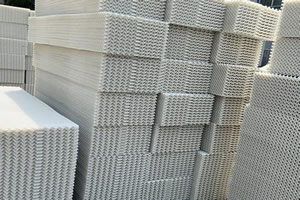
1. Perform Regular Visual Inspections
Inspect the cooling tower fill at least once a month. Look for signs of scaling, algae growth, damaged sheets, clogged passages, or uneven water distribution. Early detection allows maintenance teams to correct minor issues before they affect system performance.
2. Monitor Water Quality
Poor water quality is one of the leading causes of cooling tower fill failure. Regularly monitor water hardness, pH, conductivity, and biological activity. A proper water treatment program minimizes scale formation, corrosion, and microbial growth.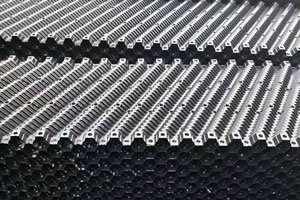
3. Remove Debris Frequently
Leaves, dust, insects, and airborne particles can block airflow through the fill pack. Clean the tower basin and remove debris before it reaches the fill media to maintain unrestricted airflow and efficient heat exchange.
4. Check Water Distribution
Even water distribution is essential for maximum cooling efficiency. Inspect spray nozzles and distribution basins to ensure water flows uniformly across the entire fill surface. Uneven distribution can create dry areas that reduce heat transfer and accelerate fill deterioration.
5. Clean Fill Media Before Heavy Fouling Develops
Scale, algae, and biofilm gradually reduce the effective heat transfer area of the fill. Schedule cleaning before deposits become excessive, as heavy fouling is more difficult and costly to remove. Appropriate cleaning methods should be selected based on the fill material and the severity of contamination.
For systems using PVC Cooling Tower Fill Media, avoid aggressive cleaning methods that could damage the fill sheets. Facilities operating with PP Cooling Tower Fill can typically tolerate more demanding industrial environments but still require routine maintenance.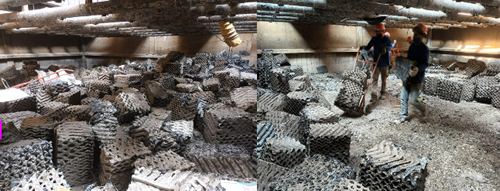
6. Inspect Related Cooling Tower Components
Cooling tower fill works together with other internal components. During maintenance, inspect Drift Eliminators, Cooling Tower Air Inlet Louvers, spray nozzles, support structures, and water distribution systems. Damage to these components can reduce the effectiveness of even the highest-quality fill media.
7. Replace Damaged Fill Promptly
Cracked, collapsed, or severely clogged fill cannot provide the designed heat transfer performance. Replacing damaged sections before failure spreads helps maintain cooling efficiency while reducing energy consumption and preventing costly downtime.
Choose replacement media that matches your cooling tower configuration, whether it uses Counterflow Film Fill, Crossflow Film Fill, or Splash Grid Fill.
Recommended Maintenance Schedule
| Task | Recommended Frequency |
|---|---|
| Visual inspection | Monthly |
| Water quality testing | Weekly or Monthly |
| Remove debris | Monthly |
| Inspect spray nozzles | Quarterly |
| Clean fill media | As required based on water quality |
| Comprehensive system inspection | Annually |
Frequently Asked Questions
How often should cooling tower fill be inspected?
A visual inspection should be performed at least once a month, while water quality should be monitored regularly based on operating conditions.
Can cooling tower fill be pressure washed?
Cleaning methods depend on the fill material and contamination level. Excessive pressure may damage film fill, so manufacturers' recommendations should always be followed.
What causes cooling tower fill to fail?
The most common causes include mineral scaling, biological fouling, poor water treatment, chemical attack, high operating temperatures, and natural aging.
Does preventive maintenance reduce operating costs?
Yes. Regular maintenance improves heat transfer efficiency, reduces fan and pump energy consumption, lowers repair costs, and extends the service life of cooling tower components.
Conclusion
An effective maintenance program is essential for keeping cooling tower fill operating at peak efficiency. Regular inspections, proper water treatment, timely cleaning, and prompt replacement of damaged fill help maximize heat transfer while minimizing energy consumption and maintenance expenses.
Whether your system uses Counterflow Film Fill, Crossflow Film Fill, Splash Grid Fill, PVC Cooling Tower Fill Media, or PP Cooling Tower Fill, consistent maintenance is the best investment in long-term cooling performance.
Keep Your Cooling Tower Running at Peak Performance
We supply complete cooling tower fill solutions for HVAC, industrial processing, power generation, and water treatment applications. Our experienced engineering team can recommend the most suitable fill media and maintenance strategy for your cooling tower.
- Counterflow Film Fill
- Crossflow Film Fill
- Splash Grid Fill
- PVC Cooling Tower Fill Media
- PP Cooling Tower Fill
- Drift Eliminators
- Cooling Tower Air Inlet Louvers
For technical consultation or a customized quotation, please contact our engineering team.