

How to Choose Cooling Tower Fill for Chemical Processing Plants
Chemical processing plants rely on efficient cooling systems to maintain stable production, protect equipment, and reduce energy consumption. Unlike standard industrial cooling systems, chemical plants often operate under challenging conditions, including high temperatures, corrosive chemicals, aggressive water treatment programs, and continuous operation.
Choosing the correct cooling tower fill is essential for maintaining heat transfer efficiency while minimizing maintenance costs and extending equipment service life. This guide explains how to select the most suitable cooling tower fill for chemical processing applications.
Cooling Challenges in Chemical Processing Plants
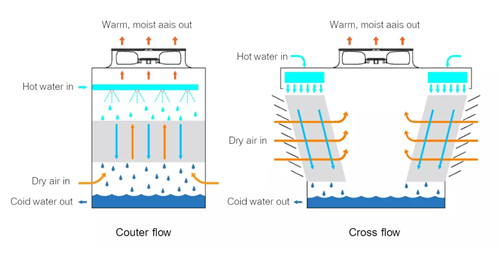
Chemical production introduces operating conditions that can significantly affect cooling tower performance.
Typical Challenges
- High circulating water temperatures
- Corrosive chemicals
- Acidic or alkaline water
- High conductivity
- Suspended solids
- Scaling and fouling
- Continuous 24-hour operation
These conditions require cooling tower fill with excellent durability and reliable thermal performance.
Why Cooling Tower Fill Selection Is Important
The fill pack provides the primary heat exchange surface inside a cooling tower. An incorrect fill selection can lead to fouling, airflow blockage, reduced cooling efficiency, and premature replacement.
Benefits of Selecting the Right Fill
- Higher cooling efficiency
- Improved heat rejection
- Reduced maintenance frequency
- Longer equipment lifespan
- Lower operating costs
- Better resistance to chemical attack
Comparing Fill Materials
PVC Film Fill
PVC film fill offers excellent cooling efficiency and is widely used where water quality and operating temperatures remain within normal industrial limits.
Advantages
- Excellent heat transfer
- Lightweight construction
- Cost-effective
- Easy installation
PP Cooling Tower Fill
Polypropylene (PP) fill provides superior resistance to elevated temperatures and many aggressive chemical environments. It is often the preferred choice for demanding chemical production processes.
Advantages
- Excellent temperature resistance
- Improved chemical resistance
- Long service life
- Suitable for harsh environments
Recommended Fill Selection by Application
| Chemical Process | Recommended Fill | Main Reason |
|---|---|---|
| General Chemical Production | PVC Film Fill | High cooling efficiency |
| High-Temperature Systems | PP Fill | Better thermal resistance |
| Corrosive Water Systems | PP Fill | Improved chemical durability |
| Dirty Process Water | Wide-Spaced Film Fill | Reduced fouling risk |
| Heavy Suspended Solids | Splash Fill | Superior anti-clogging performance |
Factors to Consider Before Purchasing
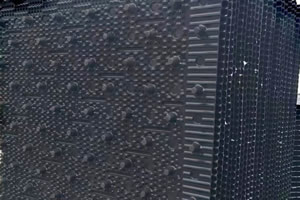
Water Chemistry
Analyze pH, conductivity, hardness, suspended solids, and chemical additives before selecting cooling tower fill.
Operating Temperature
Higher operating temperatures may require PP fill instead of standard PVC products.
Maintenance Strategy
Choose fill that matches your planned cleaning intervals and maintenance resources.
Cooling Capacity
The fill design should satisfy thermal performance requirements without creating excessive airflow resistance.
Common Mistakes to Avoid
- Selecting fill based only on purchase price.
- Ignoring chemical compatibility.
- Using standard PVC in high-temperature systems.
- Overlooking water quality analysis.
- Ignoring long-term maintenance costs.
Maintenance Recommendations
- Monitor water chemistry regularly.
- Inspect fill packs during scheduled shutdowns.
- Clean scale before airflow becomes restricted.
- Check spray nozzles for uniform water distribution.
- Replace damaged fill modules promptly.
Typical Chemical Industry Applications
Petrochemical Plants
Reliable cooling tower fill supports stable heat rejection for process equipment operating under continuous production.
Fertilizer Manufacturing
Durable fill materials help resist scaling and chemical exposure while maintaining cooling efficiency.
Pharmaceutical Production
Stable cooling performance protects sensitive manufacturing processes and improves equipment reliability.
Frequently Asked Questions
Which cooling tower fill is best for chemical plants?
The best solution depends on operating temperature and water chemistry. PVC film fill suits standard systems, while PP fill is recommended for high-temperature or chemically aggressive environments.
Can cooling tower fill resist chemical corrosion?
High-quality PP fill offers excellent resistance to many chemical environments, making it suitable for demanding industrial applications.
How often should fill be inspected?
Visual inspections should be performed regularly, with comprehensive inspections scheduled during planned maintenance shutdowns.
Why Choose TowerFill?
TowerFill manufactures premium PVC film fill, PP fill, splash fill, drift eliminators, and customized cooling tower solutions for chemical processing facilities worldwide. Our engineering team provides professional recommendations based on your operating conditions, water quality, and cooling requirements.
Conclusion
Selecting the correct cooling tower fill for chemical processing plants improves cooling efficiency, reduces maintenance, and increases system reliability. By considering water quality, chemical compatibility, operating temperature, and maintenance requirements, plant operators can maximize cooling performance while lowering long-term operating costs.